
NMN
A naturally occurring compound studied as a precursor in NAD+ metabolism and cellular energy support.
Quick Answer: 30-Second Overview
- NMN (Nicotinamide Mononucleotide) is a compound naturally found in the body and certain foods.
- It is a direct precursor to NAD+, a coenzyme essential for cellular energy production.
- NAD+ levels decline with age, which is why NMN has become a focus of aging research.
- Common supplemental doses range from 250 mg to 600 mg per serving.
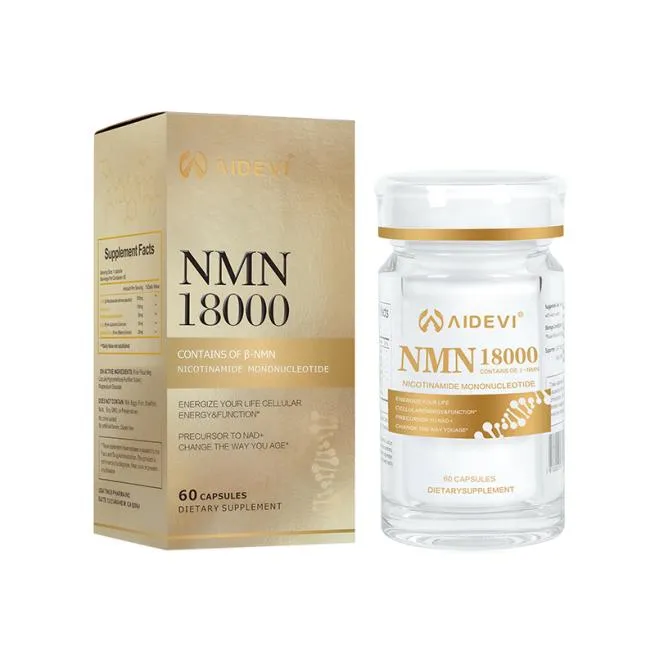
- NMN is available in capsule and powder forms from quality-focused supplement brands.
What IsNMN?
NMN stands for Nicotinamide Mononucleotide. It is a nucleotide derived from niacin (vitamin B3) and ribose.
As a direct precursor to NAD+ (Nicotinamide Adenine Dinucleotide), NMN supports the body's NAD+ biosynthesis pathway.
NAD+ is a coenzyme present in every living cell and plays a role in over 500 enzymatic reactions involved in energy metabolism, DNA repair, and cellular signaling.
NMN occurs naturally in small amounts in foods such as edamame, broccoli, cabbage, cucumbers, and avocados, though dietary intake is typically very low.
Research interest in NMN has grown significantly as scientists explore the link between NAD+ levels and aging.
How It Works in the Body
NAD+ Precursor
NMN is converted to NAD+ via the salvage pathway, helping maintain cellular NAD+ levels that support energy metabolism.
Sirtuin Activation
NAD+ is required for sirtuin enzyme activity. Sirtuins help regulate cellular health, inflammation, and aging-related processes.
Mitochondrial Support
NAD+ is essential for mitochondrial function, the cell's powerhouses that generate energy (ATP).
DNA Repair Support
NAD+ serves as a substrate for PARP enzymes, which play a key role in DNA damage response and repair.
Potential Health Benefits
Cellular Energy
NMN may support cellular energy production by helping maintain NAD+ levels, which are essential for mitochondrial function.
Healthy Aging
Research is exploring the link between declining NAD+ levels and age-related changes, with NMN as a potential support compound.
Metabolic Wellness
Some studies suggest NMN may support metabolic health markers when combined with a balanced lifestyle.
Cognitive Support
Preliminary research is exploring whether NAD+ support may enhance cognitive function and mental clarity.
Physical Performance
Early studies are investigating whether NMN supplementation may support exercise performance and muscle function.
Scientific Evidence Overview
Multiple animal studies have shown promising results for NAD+ elevation and age-related biomarkers. However, findings in animals do not directly translate to humans.
An increasing number of small-scale human studies have been published. While some show elevated NAD+ levels with NMN supplementation, long-term and large-scale data remain limited.
Observational studies have established a correlation between declining NAD+ levels and aging, providing the rationale for NMN supplementation research.
NMN research is ongoing. More large-scale, long-term human clinical trials are needed to fully understand its effects and optimal use.
Important:Dietary supplements cannot replace a balanced diet, adequate sleep, regular exercise, or medical treatment. Individual results may vary.
Natural Food Sources
Edamame
One of the richest natural sources, though NMN content per serving remains relatively low.
Broccoli
Contains small amounts of NMN and other beneficial compounds.
Cabbage
A common vegetable containing trace amounts of NMN.
Avocado
Contains NMN plus healthy fats and other nutrients.
Endogenous Production
The human body can synthesize NMN from niacin (vitamin B3) via the salvage pathway.
Dosage & Usage
| Form | Typical Dose | Timing |
|---|---|---|
| Capsules | 250-600 mg per serving | Usually taken once daily, often in the morning |
| Powder | 250-600 mg per serving | Mix with water or beverages; best taken in the morning. |
| Sublingual | 100-300 mg per serving | Dissolve under the tongue for potential absorption |
Always follow label directions and consult a healthcare professional for personalized guidance.
Who May ConsiderNMN
Adults over 40
NAD+ levels naturally decline with age, making NMN particularly relevant for middle-aged and older adults.
Health-conscious individuals
For those interested in proactive cellular wellness and healthy aging support.
Active adults
For individuals looking to support energy metabolism and physical performance.
Wellness enthusiasts
For individuals already following a balanced lifestyle who want to explore targeted supplementation.
Safety & Interactions
General Safety
NMN has been studied in human trials for up to 12 weeks, with generally favorable tolerability. Long-term safety data beyond one year remain limited.
Pregnancy and Nursing
Safety data are insufficient. Pregnant or nursing individuals should consult a healthcare professional before use.
Drug Interactions
NMN may interact with medications that affect metabolism. Consult a healthcare provider if you are taking prescription medications.
Pre-existing Conditions
People with health conditions should consult a doctor before starting any new supplement.
Surgery
Stop using at least two weeks before scheduled surgery and consult your surgeon.
How to Choose a Quality Product
- Look for products that clearly state the NMN content per serving on the label.
- Choose brands that provide third-party test results or Certificates of Analysis (COA).
- Prefer products manufactured in FDA-registered facilities that follow cGMP standards.
- Verify batch traceability — a unique lot number must be printed on the packaging.
- Choose between capsule or powder form based on your daily routine.
- Avoid products with proprietary blends that do not disclose individual ingredient amounts.
Ingredient Comparisons
NMN vs. NAD+
NMN is a precursor that the body converts to NAD+. Direct NAD+ supplements may have different absorption profiles. NMN is often preferred due to its role in the natural biosynthesis pathway.
NMN vs. NR
Both are NAD+ precursors but enter the pathway at different stages. NR (Nicotinamide Riboside) converts to NMN before becoming NAD+. Research is ongoing to compare their relative effectiveness.
NMN vs. Niacin
Niacin (vitamin B3) is an upstream precursor that can cause flushing at higher doses. NMN acts further along the pathway and typically does not cause flushing.
Frequently Asked Questions
References & Review Information
Scientific References
- Yoshino J, et al. NMN supplementation in humans. Cell Metabolism. 2021.
- Irie J, et al. Effect of NMN on NAD+ levels in healthy adults. Science Reports. 2020.
- Uddin GM, et al. NAD+ metabolism and aging. Aging Cell. 2020.
- Mills KF, et al. Long-term NMN administration in mice. Cell Metabolism. 2016.
Last Updated: July 2026
This ingredient guide is for educational purposes only and does not constitute medical advice. Always consult a healthcare professional before starting any new supplement.
Explore More Ingredients
Learn about other key ingredients in AIDEVI formulations.