
Creatine
A well-researched compound that supports muscle strength, power output, and cognitive performance.
Quick Answer: 30-Second Overview
- Creatine is one of the most extensively studied supplements in sports nutrition.
- Supports muscle strength, power output, and exercise performance.
- Creatine occurs naturally in meat and fish and is also produced by the body.
- Research has expanded beyond athletics to explore cognitive and brain health benefits.
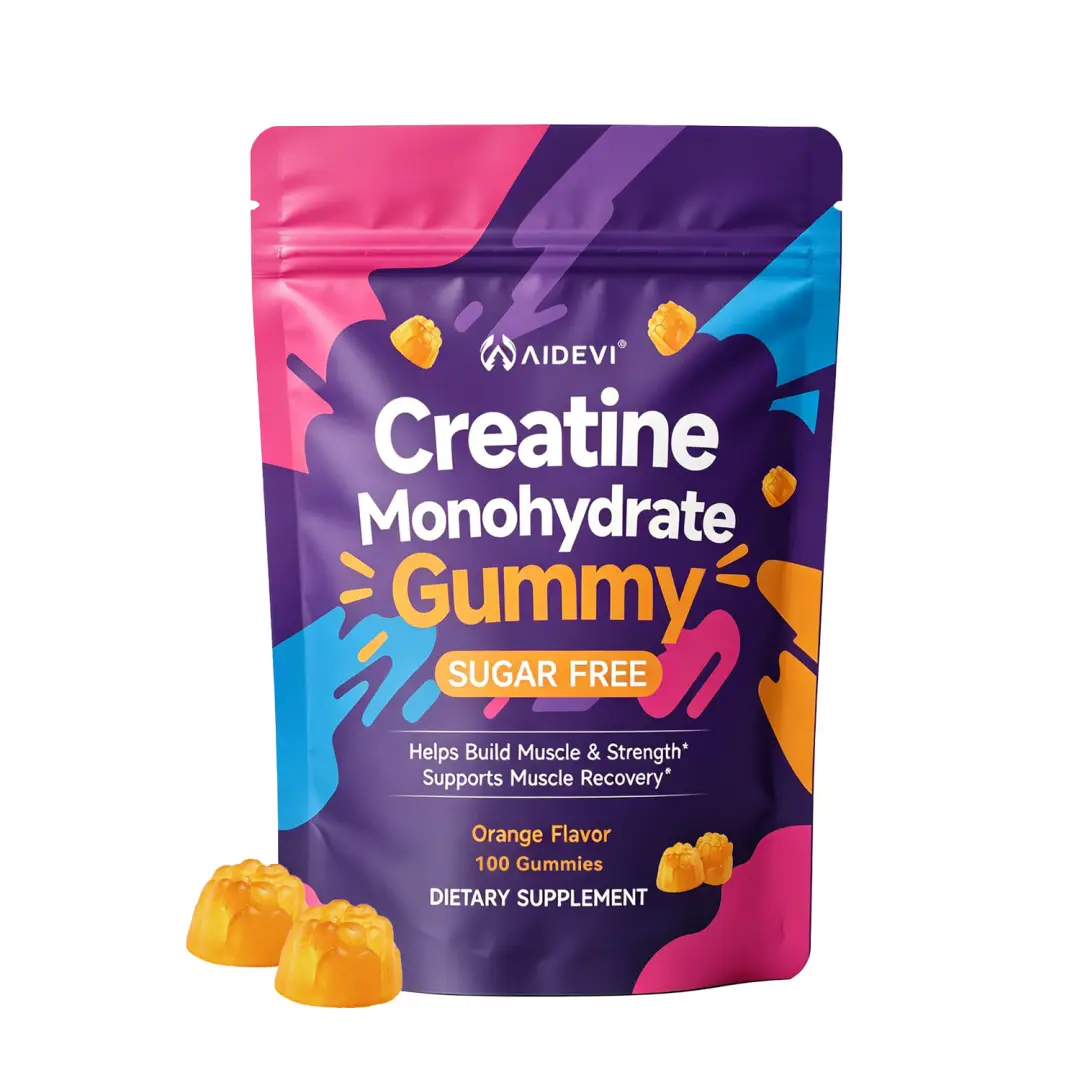
- Creatine monohydrate is the most researched and cost-effective form.
What IsCreatine?
Creatine is a nitrogenous organic acid naturally produced in the body from the amino acids arginine, glycine, and methionine.
Approximately 95% of the body's creatine is stored in skeletal muscle as phosphocreatine, serving as a rapid energy reserve.
Creatine was first discovered in 1832 and has been studied as a supplement since the 1990s..
It is naturally found in foods such as red meat, fish, and poultry, though dietary intake is typically lower than supplemental doses.
Creatine monohydrate is the most extensively studied form and is considered the gold standard for efficacy and safety.
How It Works in the Body
ATP Regeneration
Creatine phosphate donates a phosphate group to ADP, rapidly regenerating ATP during high-intensity, short-duration activities.
Muscle Energy
By boosting phosphocreatine stores, creatine supports your body's ability to produce rapid energy during intense exercise.
Cell Hydration
Creatine draws water into muscle cells, which may support protein synthesis and cell volume.
Cognitive Support
The brain also uses creatine for energy. Research suggests creatine may support cognitive function, especially under stress or when sleep-deprived.
Potential Health Benefits
Strength & Power
Creatine is well-established for supporting muscle strength, power output, and high-intensity exercise performance.
Muscle Recovery
Creatine may help you recover faster between sets and after intense workouts.
Cognitive Function
Emerging research suggests creatine may support brain health, memory, and cognitive performance—especially under metabolic stress.
Healthy Aging
Creatine may help older adults build and maintain muscle mass and strength, supporting functional independence.
Bone Health
Some research suggests that creatine combined with resistance training may support bone mineral density.
Scientific Evidence Overview
Creatine is one of the most researched supplements, with hundreds of clinical trials supporting its efficacy and safety.
Multiple meta-analyses confirm creatine's effectiveness for increasing strength, power, and muscle mass.
Long-term studies (up to 5 years) have shown that creatine is safe for healthy individuals when taken at recommended doses.
Research on creatine's cognitive benefits is expanding but remains in earlier stages compared to research on athletic performance.
Important:Dietary supplements cannot replace a balanced diet, adequate sleep, regular exercise, or medical treatment. Individual results may vary.
Natural Food Sources
Red Meat
Beef and pork are rich sources of creatine, providing about 1–2 g per pound.
Fish
Herring, salmon, and tuna are rich in creatine.
Poultry
Chicken and turkey contain moderate amounts of creatine.
Endogenous Synthesis
The body synthesizes approximately 1 g of creatine daily from amino acids.
Dosage & Usage
| Form | Typical Dose | Timing |
|---|---|---|
| Creatine Monohydrate Powder | 3–5 g per day (maintenance) | Any time, especially after workouts or with meals |
| Creatine Monohydrate Capsules | 3–5 GB per day | With water, taken daily as directed |
| Loading Phase (Optional) | 20 g per day for 5-7 days | Split into 4 5g doses, then transition to maintenance |
Always follow label directions and consult a healthcare professional for personalized guidance.
Who May ConsiderCreatine
Athletes and active individuals
Creatine is proven to support strength, power, and exercise performance.
Older adults
Creatine may support muscle mass and strength, helping maintain functional independence as you age.
Vegetarians and vegans
People who don't eat meat or fish may have lower creatine levels and could benefit from supplementation.
Cognitive wellness seekers
Emerging research suggests creatine may support brain health and cognitive function.
Safety & Interactions
General Safety
Creatine is one of the safest supplements, backed by extensive long-term safety data. It is well-tolerated at recommended doses.
Water Retention
Creatine may cause initial water weight gain by drawing water into muscle cells. This is harmless and typically stabilizes.
Kidney Function
Creatine is safe for healthy individuals. People with pre-existing kidney conditions should consult a healthcare professional.
Digestive Comfort
Some people may experience mild digestive discomfort, especially during the loading phase. Taking creatine with food may help.
How to Choose a Quality Product
- Choose creatine monohydrate—the most researched and cost-effective option.
- Look for micronized products to improve solubility and absorption.
- Choose brands that undergo third-party testing for purity and heavy metals.
- Avoid unnecessary additives or proprietary blends.
- Choose powder for cost savings or capsules for convenience.
Ingredient Comparisons
Creatine Monohydrate vs. HCl
Monohydrate is the most researched and cost-effective option. HCL (hydrochloride) claims better solubility, but there is less research supporting its efficacy.
Creatine vs. Protein
Creatine supports rapid energy production and strength, while protein aids muscle protein synthesis. They work through different mechanisms and can be combined.
Creatine vs. BCAAs
Creatine supports energy production and strength. BCAAs (branched-chain amino acids) support muscle protein synthesis. They serve different purposes.
Frequently Asked Questions
References & Review Information
Scientific References
- Kreider RB, et al. International Society of Sports Nutrition position stand: creatine supplementation. JISSN. 2017.
- Cooper R, et al. Creatine and health. Applied Physiology, Nutrition, and Metabolism. 2012.
- Avgerinoudi M, et al. Creatine supplementation and cognitive function. Neuroscience & Biobehavioral Reviews. 2020.
- Devries MC, Phillips SM. Creatine supplementation and exercise. Nutrition Reviews. 2015.
Last Updated: July 2026
This ingredient guide is for educational purposes only and does not constitute medical advice. Always consult a healthcare professional before starting any new supplement.
Explore More Ingredients
Learn about other key ingredients in AIDEVI formulations.